Herock Envirotech’s Chicken Feather-Based Biosorbent Pillows for Sustainable Oil Spill Remediation has been shortlisted among the top 8 finalists in the Nigerian Academy of Engineering (NAE) 3rd National Innovation Competition. From 108 applicants nationwide, only eight projects advanced to the final stage — and Herock’s team left with a Certificate of Merit from the Academy.
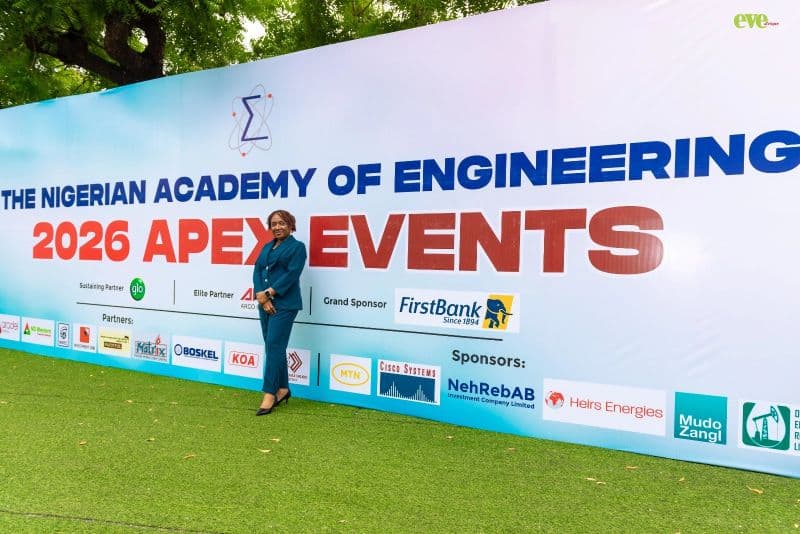
Turning chicken feathers into a solution for Nigeria’s oil spill crisis is no longer just a laboratory idea. At the NAE Apex Events in Lagos, the Chicken Feather Oil Pillow (CFOP) stood among the country’s strongest home-grown engineering innovations.
The innovation behind the pillows
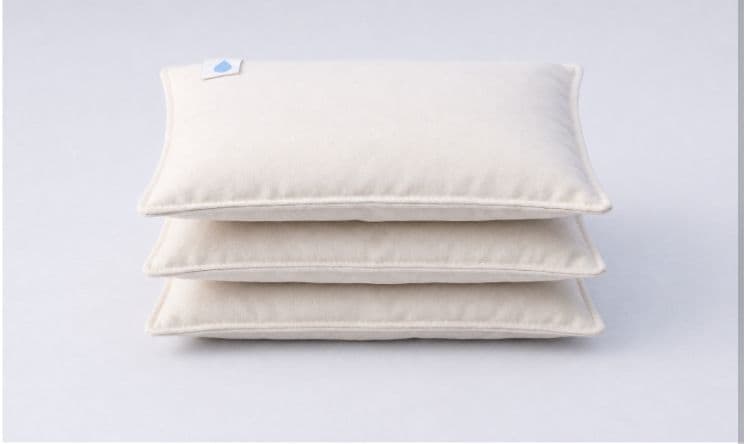
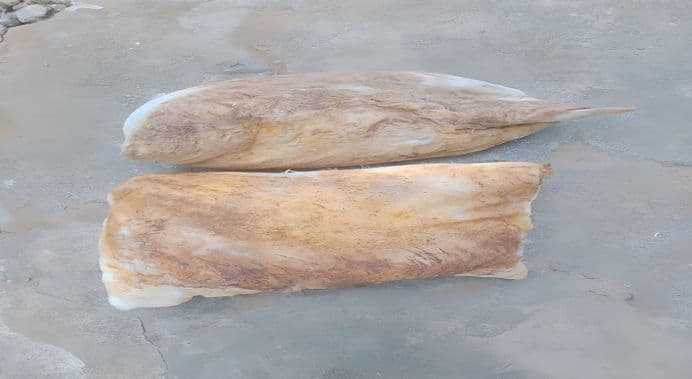
CFOP converts poultry feather waste into high-performance, biodegradable oil sorbents. The keratin-rich fibres bind hydrocarbons while repelling water — a practical answer to two Nigerian challenges at once: agricultural waste management and oil spill remediation across the blue economy.
Packaged as absorbent pillows and first-response kits, the product is designed for rapid deployment by operators, agencies, and communities dealing with fuel, lubricant, and crude spills.

From 108 entries to the national top 8
The Nigerian Academy of Engineering runs its National Innovation Competition to identify and support engineers developing practical solutions to Nigeria’s most pressing challenges. In this third edition, the field was narrowed from 108 applicants to eight national finalists.
Among them: Herock Envirotech’s chicken feather-based sorbent — recognised for tackling oil spills and poultry waste simultaneously, in support of circular and blue-economy outcomes.
On the exhibition floor
At the competition exhibition, the Herock booth put the product in visitors’ hands — pillows, mats, and the First Response Kit — alongside clear messaging on hydrophobic behaviour, industrial durability, and alignment with UN Sustainable Development Goals.


Judges, fellows, and guests stopped by to examine the materials and hear how agricultural by-products can become a tool for environmental remediation. The Association of Professional Women Engineers of Nigeria (APWEN) Lagos Chapter was among those who came to encourage the team.
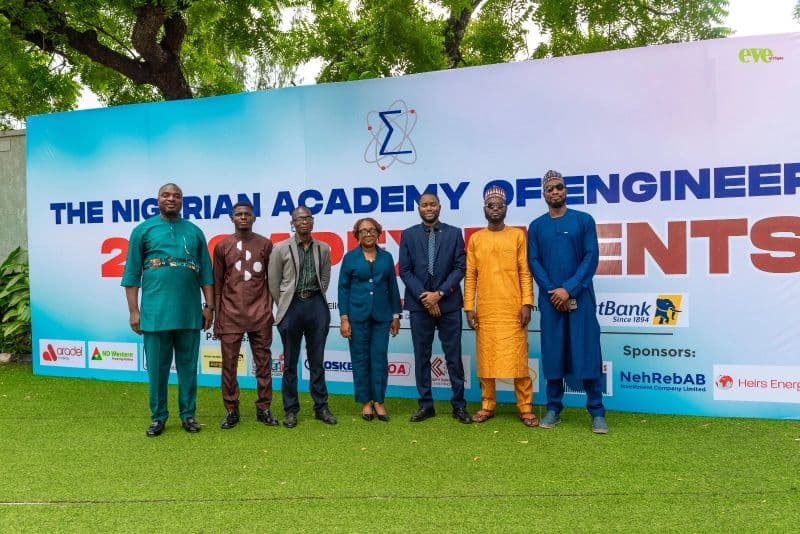
Award Night in Lagos
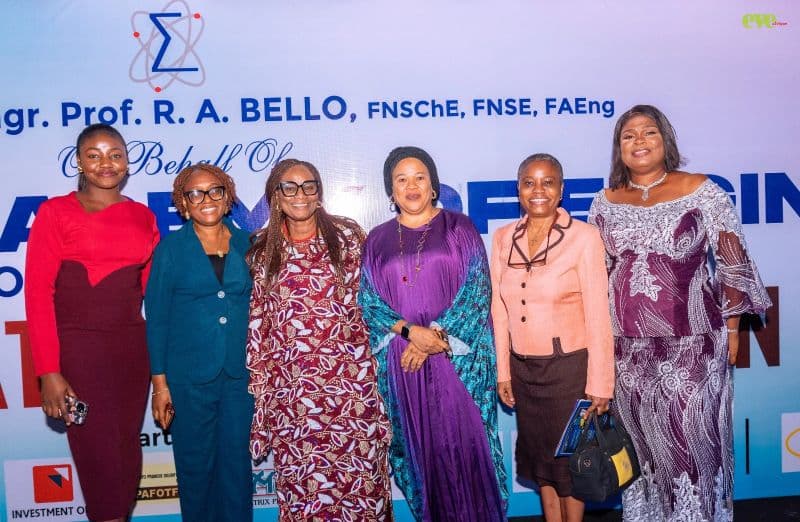
Final rankings were announced at the NAE Annual Dinner & Award Night on Wednesday, 24 June 2026 at the Balmoral Convention Centre, Sheraton, Ikeja, Lagos. The evening celebrated innovators building solutions for Nigeria — one project at a time.

Herock Envirotech received a Certificate of Merit and a commitment of continued support to further advance the product. The competition’s prize pool underscored the Academy’s investment in home-grown engineering: First Prize ₦12M, Second ₦6M, and Third ₦3M.


Turning chicken feathers into a solution for Nigeria's oil spill crisis.
What comes next
For Herock Envirotech, Top 8 finalist status and the Certificate of Merit mark a national milestone: proof that locally driven environmental innovation belongs on Nigeria’s engineering stage. The team continues advancing CFOP toward wider deployment — protecting waterways, valuing agricultural waste, and building Africa’s circular economy through science.